New Timeline for Artemis III
NASA Administrator Jared Isaacman informed lawmakers on Monday that the Artemis III mission, once envisioned as humanity's return to the lunar surface, will now launch no earlier than late 2027. In a notable shift, this mission will not fly to the Moon. Instead, it will be an Earth orbit test featuring the Orion capsule and lunar landers developed by SpaceX and Blue Origin. Both contractors have stated that their spacecraft could be ready for this orbital rendezvous by late 2027, a date somewhat later than NASA's previous schedule.
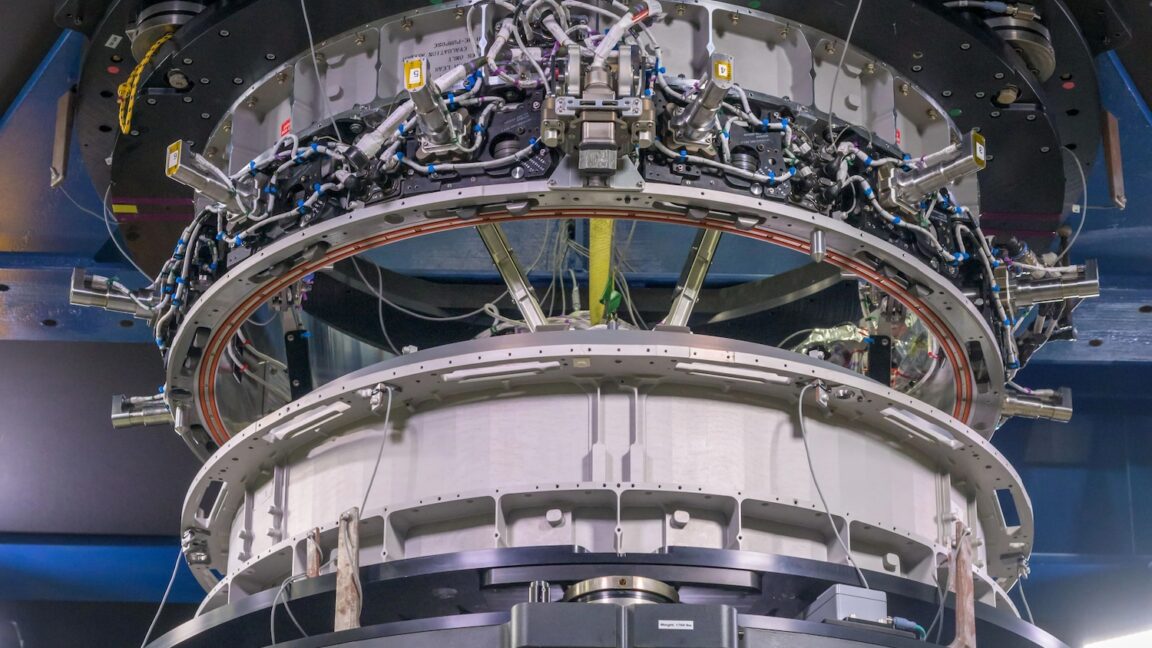
What Artemis III Will Actually Do
Under the revised plan, Artemis III will send a crew of astronauts aboard an Orion capsule to low-Earth orbit. There, they will rendezvous and potentially dock with one or both of the commercial lunar landers. This Earth orbit shakedown is designed to test critical hardware, docking systems, and procedures before committing to a full lunar surface mission. By validating the landers in a near-Earth environment, NASA aims to reduce risk for subsequent Artemis flights that will aim for the Moon.
Flight Plan Details Still Under Review
The specifics of the Artemis III flight plan remain under active review, with key questions about the orbit's altitude and the configuration of the Space Launch System (SLS) rocket still unanswered. Two main options are being considered, each with its own trade-offs.
Low-Earth Orbit Option
A mission to low-Earth orbit—just a few hundred miles in altitude—may not require NASA to use up an SLS upper stage that is already built and in storage. By saving this upper stage for the following Artemis mission that will attempt a landing on the Moon, the agency could preserve a valuable asset. This approach prioritizes cost savings and hardware availability.
Higher Orbit Option
Alternatively, launching into a higher orbit would require using the existing upper stage. However, it would allow NASA to perform tests in an environment more similar to the Moon, including exposure to higher radiation levels and longer communication delays. This option could yield more representative data but at the cost of consuming a scarce upper stage.
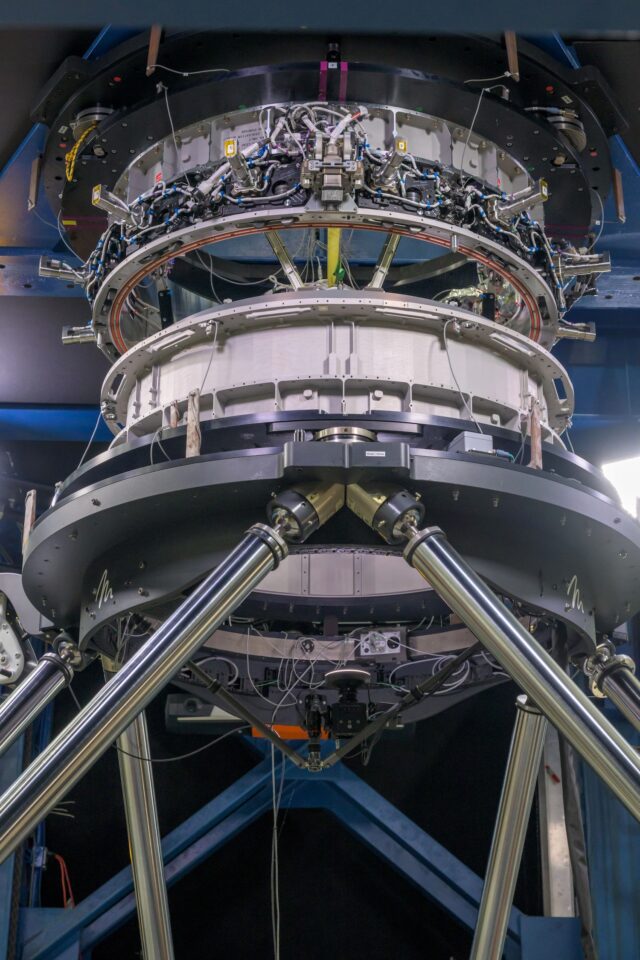
SpaceX and Blue Origin Progress
Both SpaceX and Blue Origin, NASA's two lunar lander contractors, have indicated that their spacecraft could be ready for the Earth orbit test by late 2027. SpaceX is developing the Starship Human Landing System, while Blue Origin is working on the Blue Moon lander. The Earth orbit demonstration will provide an early opportunity to verify their designs and integration with Orion before a lunar landing attempt.
Transition to Centaur V Upper Stage
Looking beyond Artemis III, NASA is purchasing a new commercial upper stage—the Centaur V from United Launch Alliance—to pair with the SLS rocket after flying the last of the rocket's existing upper stages. This transition will introduce a more modern and potentially more capable upper stage for future lunar missions, including the Artemis IV landing attempt. The decision on whether to use the existing upper stage for Artemis III will factor into the timing of this transition.
Implications for the Artemis Program
The delay to late 2027 and the shift to an Earth orbit test reflect the complex challenges of developing two new lunar landers and integrating them with NASA's infrastructure. While the timeline has slipped, the agency and its contractors are making tangible progress. The Artemis III Earth orbit mission, once completed, will pave the way for the first woman and next man to walk on the lunar surface in the subsequent Artemis IV flight.