Overview of the Latest CIS Tender Results
The latest round of the Capacity Investment Scheme (CIS) has delivered a decisive victory for renewable energy, with six wind farms, two large-scale solar-battery hybrids, and multiple long-duration battery projects—featuring seven and eight hours of storage—emerging as successful bidders. This outcome underscores a strategic shift in Australia's energy landscape, as the nation prepares for the closure of aging coal-fired power plants.
Wind Power Success: Six Projects Secure Contracts
The tender saw a strong showing from wind energy, with six wind farm projects winning capacity contracts. These developments will add substantial renewable generation to the grid, leveraging Australia's abundant wind resources. The successful wind projects are expected to play a critical role in replacing the baseload power currently provided by coal plants, particularly during periods of high demand.
Key Features of the Winning Wind Farms
Each of the six wind farms is designed to operate efficiently with minimal environmental impact. They incorporate advanced turbine technology to maximize energy capture and reduce curtailment. The projects are spread across regions with strong wind profiles, ensuring a diversified and reliable power supply.
Solar-Battery Hybrids: Two Major Integrated Plants
Two large solar-battery hybrid projects were also awarded contracts, combining photovoltaic generation with significant battery storage capacity. These hybrids address the intermittency of solar power by storing excess energy during sunny periods for use after sunset. The integration of storage enables these plants to provide dispatchable renewable energy, making them comparable to conventional power plants in reliability.
Benefits of Hybrid Systems
The solar-battery hybrids offer several advantages: they reduce grid congestion, improve network stability, and lower overall system costs. By pairing solar with large batteries, these projects can deliver power during peak demand times, reducing the need for gas peaker plants. This aligns with the CIS's goal of supporting a smooth transition away from coal.
Long-Duration Batteries: Seven and Eight Hour Storage Leads the Way
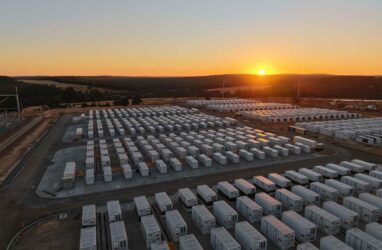
Another highlight of the tender was the number of successful battery projects with durations of seven to eight hours. While many existing batteries are sized for one to two hours, these longer-duration systems are designed to cover overnight demand or multiple hours of low renewable output. The winning projects signal growing investor confidence in utility-scale storage as a core component of a reliable clean energy grid.

Technical and Economic Considerations
Long-duration batteries require larger capacities and specialized control systems, but falling costs for lithium-ion and alternative chemistries are making them viable. These batteries can be charged from the grid during periods of excess renewable generation and discharged when needed, effectively acting as flexible demand or supply units. Their presence in the CIS portfolio enhances the system's resilience against coal retirement.
Implications for Coal Closure
The timing of these contract awards is closely linked to the scheduled retirement of several coal-fired power stations. As coal plants become uneconomical and face stricter environmental regulations, the winning CIS projects will provide the capacity needed to maintain grid security. The mix of wind, solar, and storage ensures that renewable energy can cover both energy and capacity requirements, reducing the risk of blackouts during the transition.
Conclusion
The success of six wind farms, two solar hybrids, and multiple long-duration battery projects in the latest CIS tender marks a significant milestone in Australia's energy transition. By securing contracts for these diverse technologies, the scheme supports a stable, low-carbon electricity system well positioned to replace retiring coal capacity. The outcomes reflect a maturing market for renewables and storage, and they set a precedent for future tenders as the nation moves toward a net-zero future.