Breaking News: Meta Migrates Petabyte-Scale Data System
Meta has successfully transitioned its entire data ingestion system to a new architecture, handling petabytes of social graph data daily. The migration, which moved from legacy customer-owned pipelines to a self-managed service, aims to enhance reliability and efficiency at an unprecedented scale.

“This migration was critical for handling the growing demands of our social graph,” said a Meta engineering lead. “We needed a system that could scale without instability.”
Background
Meta’s social graph is powered by one of the world’s largest MySQL deployments. Every day, the data ingestion system incrementally scrapes petabytes of data into the data warehouse for analytics, reporting, and machine learning.
The legacy system, while effective at small scale, showed instability under strict data landing time requirements. This prompted a full revamp to a simpler, self-managed architecture that operates efficiently at hyperscale.
The Migration Challenge
Migrating thousands of jobs seamlessly was a major challenge. Meta needed robust rollout and rollback controls to maintain data integrity and operational reliability throughout the process.
How It Was Done
Meta established a clear migration job lifecycle with verification steps. Each job had to meet three criteria before progressing: no data quality issues, no landing latency regression, and no resource utilization regression.
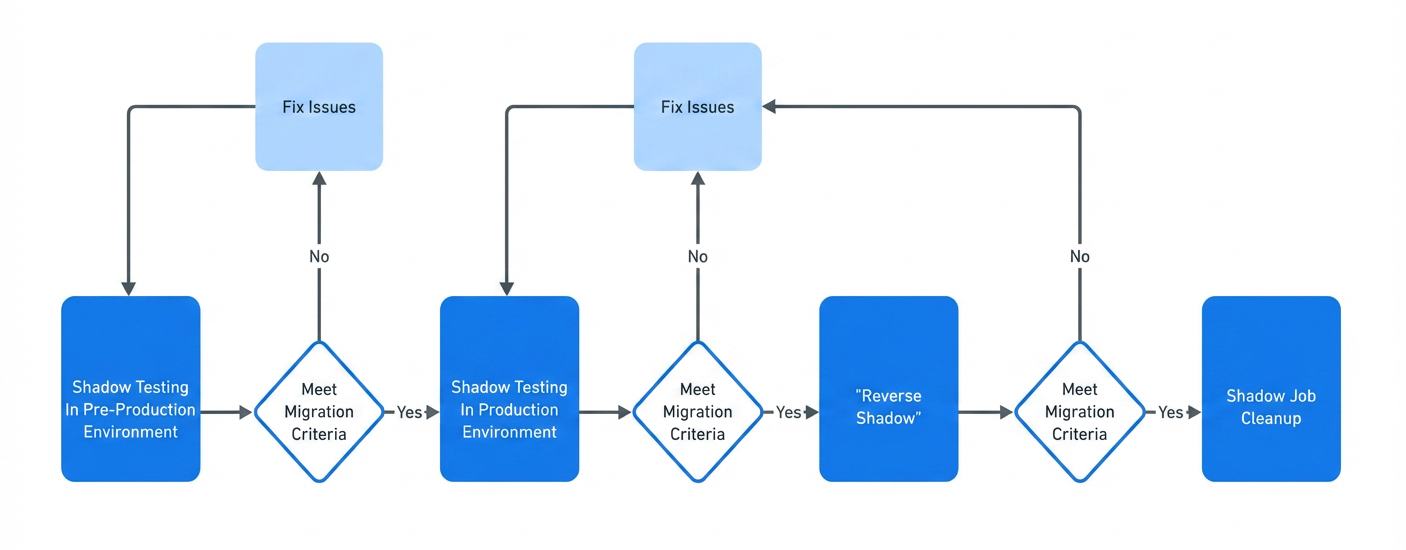
- Data quality: Row count and checksum were compared between old and new systems to ensure consistency.
- Latency: The new system had to match or improve performance.
- Resources: No regression in resource usage was allowed.
“We verified correctness at every step,” the engineer added. “This ensured zero data loss and minimal disruption.”
What This Means
The new system powers faster, more reliable analytics for Meta’s teams. It supports day-to-day decision-making, machine learning model training, and product development with up-to-date snapshots of the social graph.
By moving away from customer-owned pipelines, Meta reduces operational complexity and can scale more easily in the future. The successful deprecation of the legacy system marks a significant milestone in Meta’s infrastructure evolution.